Story
‘The world of the Deities (Izads) is not a realm remote from us.
It is not an idealised, unattainable utopia.
It is a world inclining towards light.
There, goodness endures as goodness,
and truth stands as the ground of being.
Here – precisely here, where we dwell –
through these very ordinary actions of ours,
each time we choose wisdom over wrath,
each time we choose truth over falsehood,
we are fashioning the world of the Deities.
The last Deity is the awakened human being.’
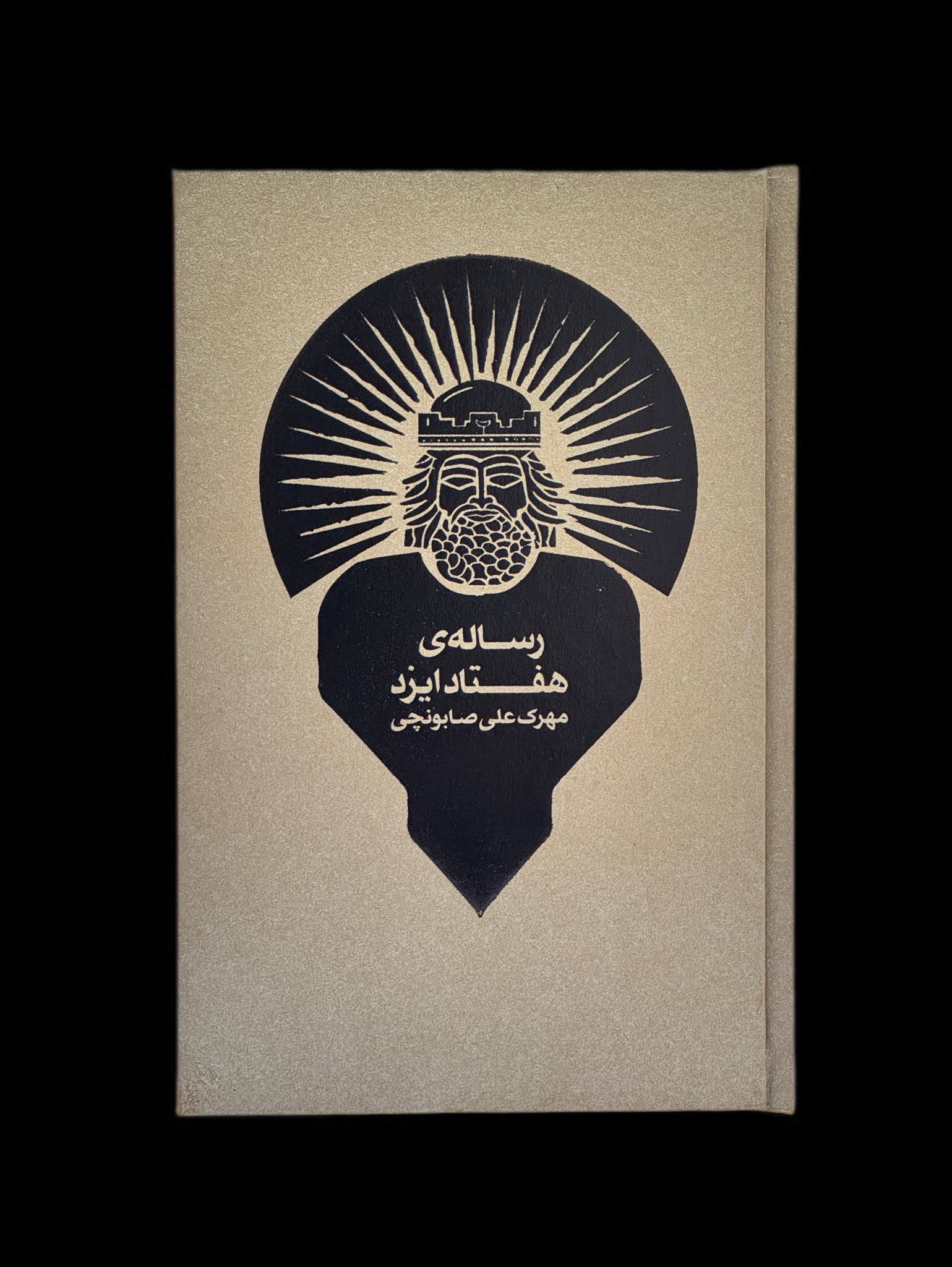
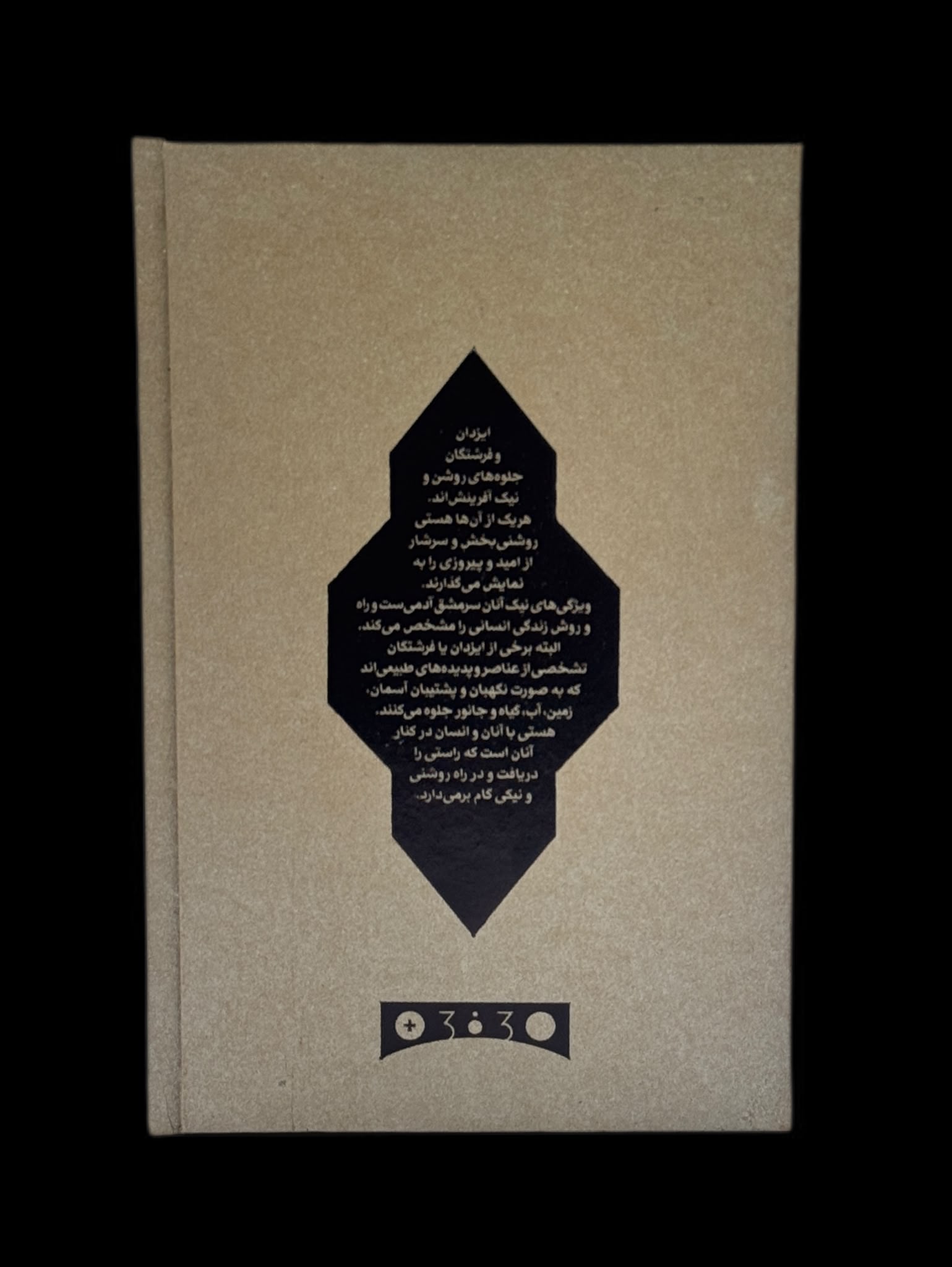
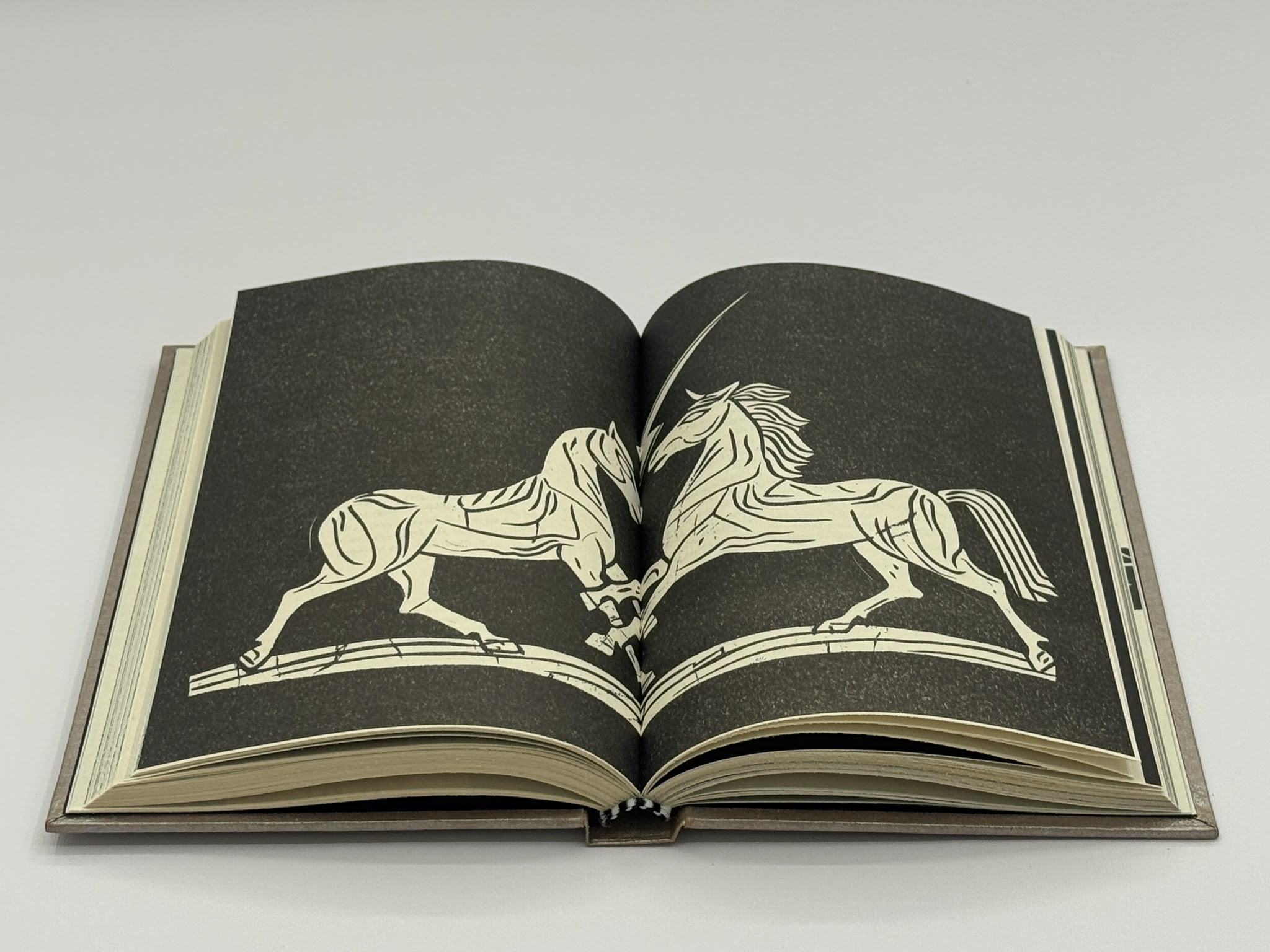
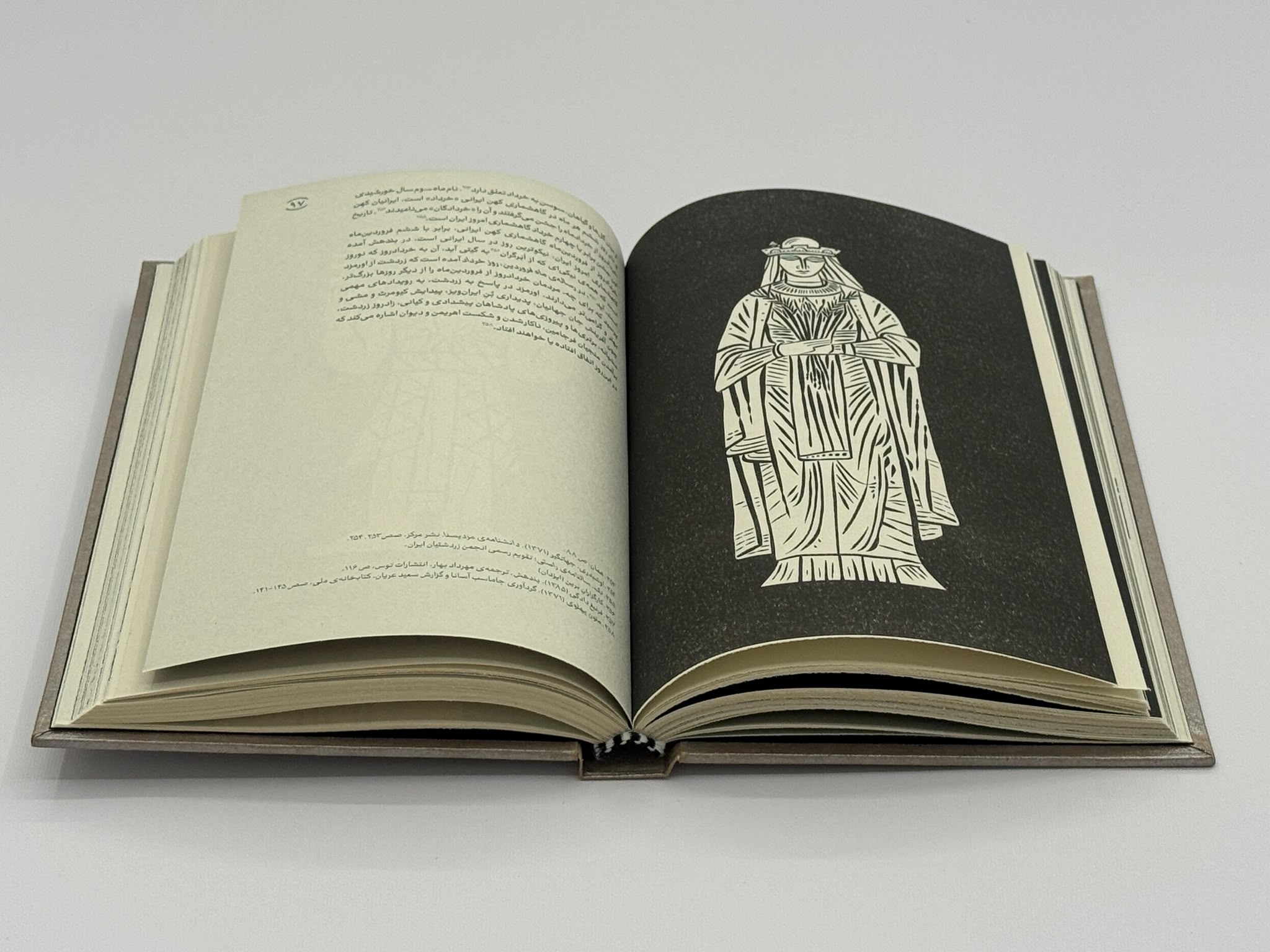
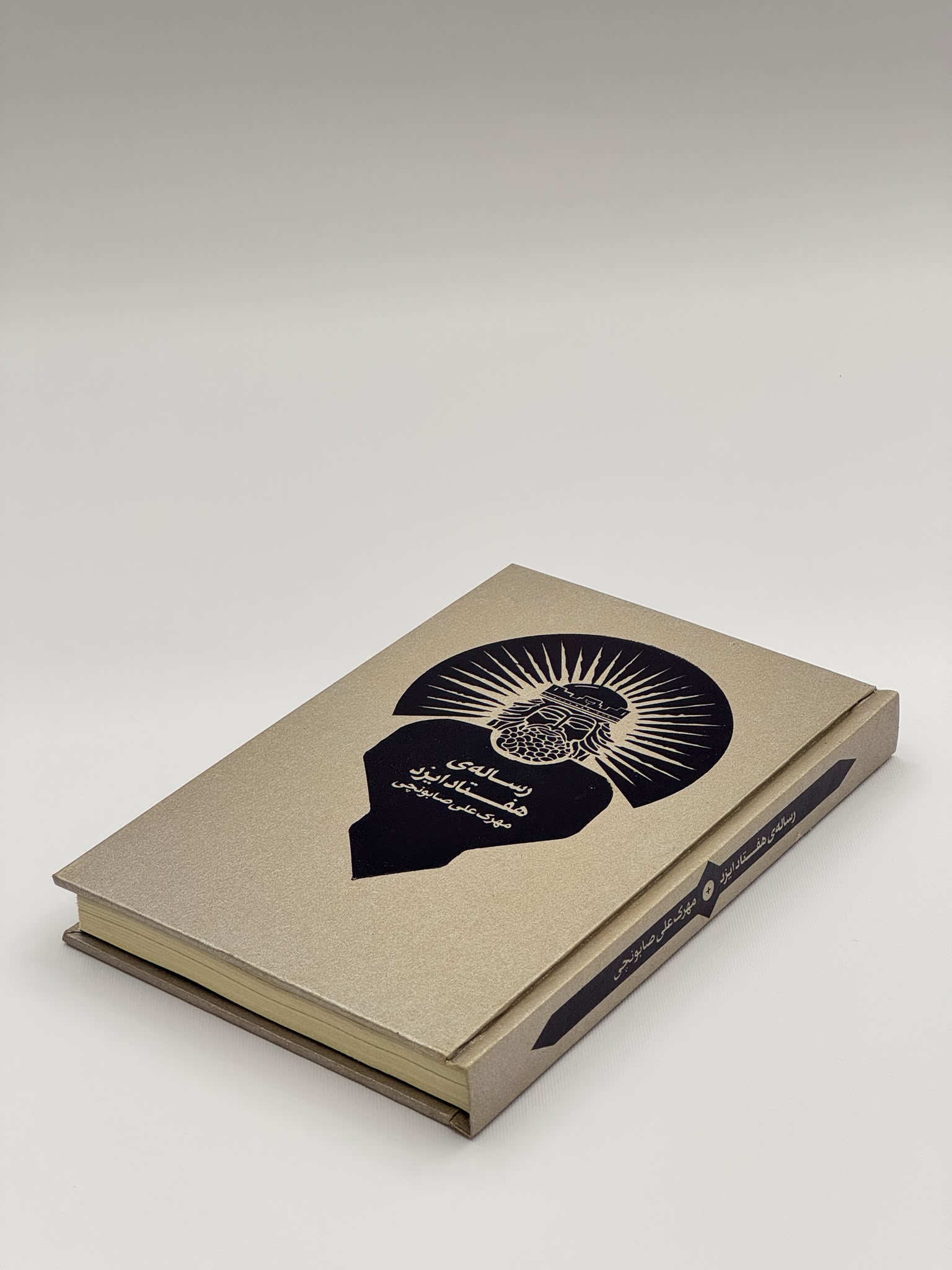
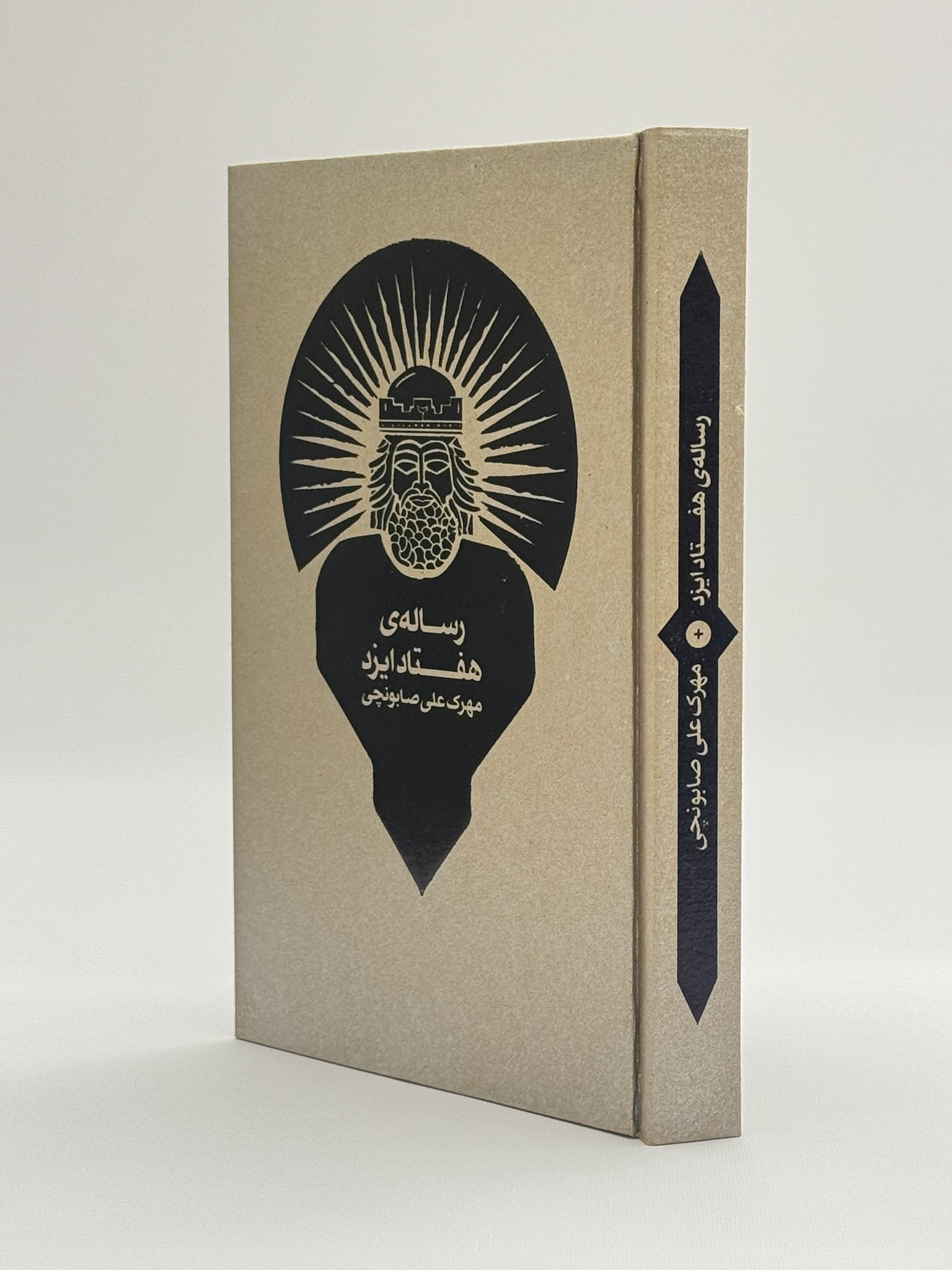
The Treatise of Seventy Deities, as the minimal counterpart to The Treatise of One Hundred Demons (Divs), forms part of the +3:30 cultural–artistic projects. It is an attempt to reopen the ‘Iranian Pantheon’: a renewed and contemplative reading of ancient Zoroastrian and Islamic sources, grounded in narrative, imagery, and the re-envisioning of Iran’s spiritual heritage.
If One Hundred Demons unveiled an inverted moral cosmos, Seventy Deities discloses the luminous reverse of that same structure: a constellation of benevolent and guardian spiritual beings who embody the ethical, cosmic, and metaphysical aspirations of the Iranian tradition.
The treatise opens with a divine prelude, in which the notion of the Izad is articulated not merely as a mythological figure, but as the venerable manifestation of spiritual forces. Thereafter, the gates of the pantheon are opened, and seventy deities – from Ohrmazd and the Amesha Spentas to the divinities of nature and the well-known angels of the Islamic era – emerge one by one into presence.
Forty-seven entries are drawn from Zoroastrian texts and twenty-three from Islamic sources, demonstrating that the Iranian Izad-temple, like the Div-temple, possesses a living and continuous lineage – from the Avesta and the Bundahishn to the Qur’an, narrative literature, and books of wonders.
Where the earlier treatise inquired, ‘How did the Divs come into being?’ and whether they served as symbolic instruments for articulating moral deviation, this volume turns to the other side of that inquiry:
To which existential longings of humanity do the Izads respond?
Which moral, natural, and cosmic ideals have found embodiment in them?
In this reading, the Izad is not merely a supernatural entity; it is the personification of concepts such as wisdom, order, covenant, fertility, water, fire, time, justice, and loving devotion. As the Div signified folly and chaos, so the Izad signifies harmony and meaning.
In its closing movement, the treatise sets before the reader the divine (Izadi) path – a way that begins with recognition and culminates in choice. If the final Div was the human being, here too the final Izad is the human being: the one who discerns the frontier between good and evil and, in awareness, chooses the side of light.
As Sa’di, the renowned Iranian poet, expresses: ‘An angel finds no passage into the realm of humanity’ – if the human being remembers his or her own divine dignity.
And this may be the secret of both treatises:
The spiritual world does not exist in some distant sphere but is embedded within the nature and essence of our decisions.